 by Kelvin Ser
- April 17, 2022
- 1,610
- 0
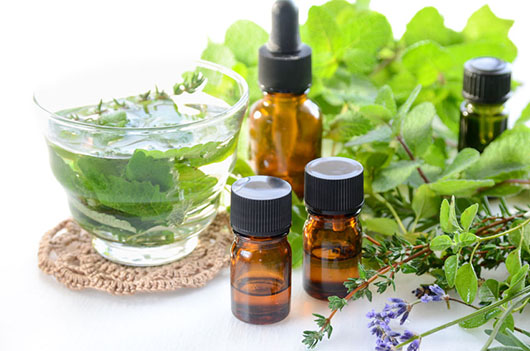
Essential oils are not really oils. They do not contain the fatty acids that constitute what we would consider an actual oil. They are volatile liquids (meaning they turn from a liquid to a gas very quickly at room temperature or higher). They are derived from the leaves, stems, flowers, bark, roots, or other elements of a plant.
Essential Oils have both physical and emotional level healing properties. Considered among the most therapeutic of all botanical extracts throughout the ages. Here are a few ways they can be used: to relax, sedate, balance, rejuvenate, invigorate, enhance memory, act as an anti-inflammatory, analgesic, anti-bacterial and anti-spasmodic.
Essential oils are miniscule in molecular size, which means they are absorbed well by the skin – making them perfect ingredients in personal care items intended to heal, soften, and nourish. However, they do not accumulate in the body over time – they simply offer up their healing properties and then pass on through.
Fragrance oils and essential oils are NOT the same thing. As a rule of thumb, if you see the word “fragrance” or “fragrance oil” or even “perfume” on anything, you can assume this is synthetic and NOT natural. Essential oils are wholly natural and cannot be patented; which means that you’ll never see an essential oil in a pharmaceutical drug. More importantly, because essential oils cannot be patented, drug companies will not waste money studying them. This limits our scientific knowledge of essential oils GREATLY, and the majority of what we know about them are things that have been passed down through thousands of years of personal use and experimentation.
Enormous amounts of plants are needed to produce essential oil. In fact, on the extreme end, it takes 4000 pounds of Bulgarian roses to produce 1 pound of essential oil. Other plants like lavender only take 100 pounds of plant material to produce a pound of essential oil. Most essential oils should never be used undiluted on the skin. They are Highly Concentrated -One drop of an essential oil is equivalent to thirty cups of tea in terms of concentration. Instead, they should be combined with “real” oils (called carrier oils), waxes, butters, alcohols, or other diluting measures. Because they’re so concentrated, if you don’t dilute, you may end up with an unfortunate reaction.
DISCLAIMER
(Information for educational purposes only – consult your doctors or qualified aromatherapists for advice)